
"solar coffee machine"
800 article(s) found

Saeco coffee machine can not put coffee powder coffee roasting, red wine treatment
Author: Fisher link: http://www.zhihu.com/question/28538203/answer/59123683 Source: Zhihu copyright belongs to the author. Commercial reprint please contact the author for authorization, non-commercial reprint please indicate the source. After SaSa won the WBC championship, the variety of Remy Sultan, as well as the red wine treatment method it used, once became a hot discussion in the industry.

What is Mantenin, Golden Manning and Old Manning?
Lindongshan District, southwest of Toba Lake, is a new producing area. At present, the average annual output of Lindong Mantenin is about 1.5-18000 tons, mostly by half-sun treatment. Sumatra is known as the Spice Island, and the mountain tribes are in the green mountains, working with tigers, rhinos, vampire bats, cloves, cardamom and pepper to treat coffee beans in a unique three-stage drying way to create half-sun exposure.

Brazil pectin sun coffee beans processing method introduction
Pay attention to the coffee comment (Weixin Official Accounts vdailycom ) and find that the beautiful coffee shop opens its own small shop Brazilian pectin sun-drying coffee beans, the most widely used is Brazil; the disadvantage of the sun-drying method is that it is easy to mix defective beans, and the appearance difference between beans is secado, also known as natural sun-drying method. Solarization is one of the ways coffee cherries are treated.

Brazilian fine coffee with a distinct sweet flavor Taste Manor Features
Although Brazil is one of the countries with the most abundant fresh water resources in the world, its water resources are unevenly distributed and many regions depend on natural draft. Especially in the east where coffee cultivation is concentrated, severe droughts often occur, scarce water resources limit the way coffee is processed, Brazil simply uses rough sun method before 1990, and the quality varies greatly because bird droppings coffee
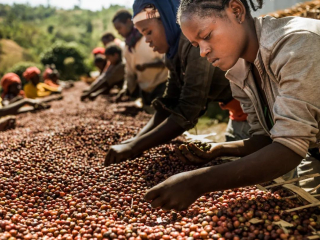
The most common 4 kinds of treatment methods: sun, water, semi-water, honey treatment of the difference?
Coffee beans are commonly processed in four ways, namely, solarization, washing, semi-washing, honey treatment. Solarization: The cheapest, simplest, and most traditional method of processing coffee beans for strong aroma requires drying the whole coffee cherry. There are also many differences in the implementation of this process, depending on the farm

Genesis Manor, Costa Rica, Solar microbatch | exquisite small amount of Central American coffee
For more professional coffee exchanges, please scan the code to follow Wechat: FrontStreetCoffee [Costa Rica Genesis Micro batch] country: Costa Rica region: West Valley processing Plant: Finca Genesis Genesis Micro batch processing Plant altitude: 1700 m Variety: Kaddura / Kaduai Grade: SHB treatment: solarization 01 | introduction to the processing plant Piedades

Coffee Bean Processing Method Introduction Sunlight Coffee Bean Processing Method Ethiopia Sunlight Ye Jia Xue Fei
Solarization is a traditional method of primary processing of coffee beans, and ancient coffee growing countries such as Ethiopia and Yemen still use solarization almost exclusively for raw beans. Sun-drying begins by spreading tank-identified beans, ripe or semi-ripe, on a drying ground. The exact time depends on local climatic conditions, and generally takes two weeks to four weeks.

What are the raw coffee beans like? What is the way to handle it? What's the difference in the treatment of various raw beans?
Professional coffee knowledge exchange more information about coffee beans Please follow the coffee workshop (Wechat official account cafe_style) what are the raw coffee beans? What is the way to handle it? What is the difference in the treatment of various raw beans? In order to talk about all kinds of raw bean treatment, we must first know the structure of coffee fruit, cherry-like coffee fruit, from outside to inside are peel, pulp, pectin layer, sheep skin (seed).
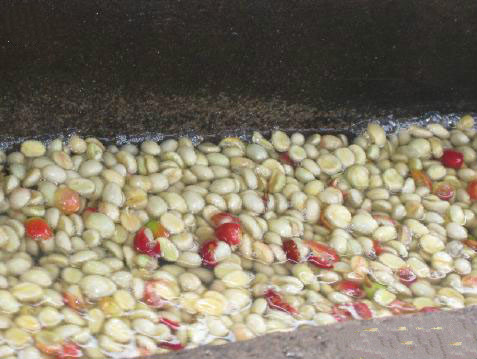
What is semi-washed Coffee beans semi-washed Coffee beans Refining semi-washed Yega Shevico
Sun drying: the sun drying method is also called natural drying because it uses natural sunlight to dry the fruits and raw beans of coffee. Due to the use of artificial and natural treatment methods in the process, the sun-cured beans look irregular and unflattering in appearance. Washing coffee bean treatment method Coffee beans harvested must immediately enter the treatment program, otherwise they will begin to ferment and make coffee
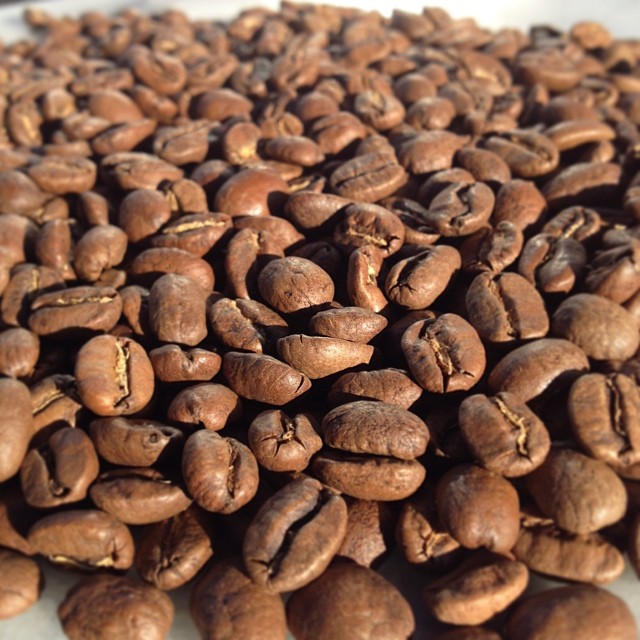
Natural fermentation and Solar Ethiopian Coffee Flavor, characteristics, texture and Manor introduction
Ethiopia has unique natural conditions suitable for growing all imaginable varieties of coffee. As a upland crop, Ethiopian coffee beans are mainly grown in areas between 1100 and 2300 meters above sea level, roughly distributed in southern Ethiopia. Deep soil, well drained soil, weakly acidic soil, laterite and soil are soft and contain

What is the difference in the taste of exactly the same coffee beans between washing and tanning?
Tanning is a traditional method for the initial processing of coffee beans, and at present, almost all coffee-growing countries such as Ethiopia and Yemen still use solarization to treat raw beans. Sun treatment will first identify sunken beans in the sink, that is, ripe or half-ripe beans are spread in the drying farm for natural drying. The specific time depends on the local climatic conditions, which usually takes two to four weeks.

Flavor characteristics, producing areas and cooking parameters of single bean in Wahana Manor, Indonesia
For the exchange of professional baristas, please pay attention to the coffee workshop (Wechat official account cafe_style) Indonesia Wahana Manor single bean flavor characteristics, production areas and brewing parameters. Coffee farmers in this area basically handle coffee by hand, so they already have quite good experience and techniques. Therefore, Wahana Manor uses farmers' skills and advanced equipment to achieve the production day.
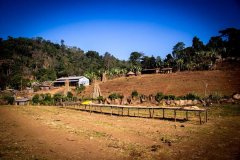
Yega Xuefei's correct drink Yega Xuefei-Aricha Ariga Manor Information introduction
For the exchange of professional baristas, please follow the coffee workshop (Wechat official account cafe_style) country: Ethiopia Ethiopia Manor: Aricha level: Grade1 altitude: 1950-2100 m aroma: strawberry /, lover fruit, orange, earthy mango flavor: berry, cocoa, grapefruit, strong greasy, Hawthorn, mango, pineapple one of Ethiopia's most precious coffee
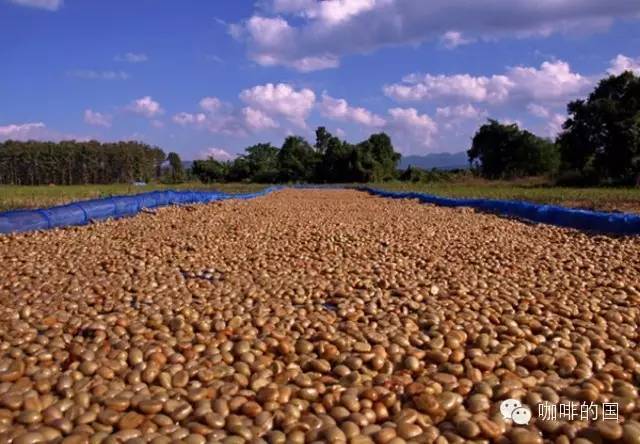
High-quality coffee bean treatment method coffee raw bean Ethiopia Yega Xuefei coffee raw bean (in the sun
Tanning is a traditional method for the initial processing of coffee beans, and at present, almost all coffee-growing countries such as Ethiopia and Yemen still use solarization to treat raw beans. Sun treatment will first identify sunken beans in the sink, that is, ripe or half-ripe beans are spread in the drying farm for natural drying. The specific time depends on the local climatic conditions, which usually takes two to four weeks.

Variety characteristics of fermented Natural Solar Ethiopian Coffee introduction to Fine Coffee Bean in Manor
Ethiopia has unique natural conditions suitable for growing all imaginable varieties of coffee. As a upland crop, Ethiopian coffee beans are mainly grown in areas between 1100 and 2300 meters above sea level, roughly distributed in southern Ethiopia. Deep soil, well drained soil, weakly acidic soil, laterite and soil are soft and contain

How should coffee beans be treated? coffee washing and tanning?
Coffee beans harvested in the sun must immediately enter the treatment process, otherwise they will begin to ferment and produce a peculiar smell. There are two methods of treatment, the sun method and the water washing method. The beans of the sun method have a complete natural mellow taste, and the coffee beans with gentle aroma and more glue must enter the treatment program immediately, otherwise they will begin to ferment and make the coffee beans smell peculiar.

Introduction of yellow Kaduai sun-dried beans in Minas Hilado-Joao Manor, Brazil
Professional coffee knowledge exchange more coffee bean information please follow the coffee workshop (Wechat official account cafe_style) Brazil is the world's largest coffee producer accounts for about 33% of coffee production, but because Brazil is located in the tropical rain forest, the terrain is relatively flat with few high-altitude mountain forests, most coffee is grown in low-altitude non-volcanic soil areas, and there is not much shade as a shade.

Treatment of Coffee Fruit and Coffee beans
The solarization process can also be called a natural process, which is basically the oldest, simplest, and requires the least mechanical tools. The first step is to sort and clean it up first. Immature, overripe, damaged coffee fruits will be singled out first. At the same time, the branches, leaves, mud and stones mixed in the fruit will also be removed. Sieves are usually used to deal with this preliminary

World boutique coffee beans: introduction of sixteen coffee beans from different places
Introduction to Sixteen Coffee beans from different places: 1 Rwanda Kivu Rwanda-machine-free Rwandan coffee beans were introduced to Rwanda by German missionaries in the 20th century. Because of Rwanda's superior climate and unique geographical environment, growing coffee beans has a unique fruity and grassy aroma. There are many planting bases in Rwanda, but the coffee beans produced without machines are even better.
Treatment of Coffee fruits-- washing
When the coffee fruit is harvested from the mountain, the next step is to remove the peel and pulp of the coffee beans. There are two main ways of treatment: washing and solarization. But the ultimate determining factor is whether there is enough water to use. Some special boutique coffees are both insolated and washed.